Mastering Stainless Steel Threads: Precision Thread Milling Solutions

  • 2025-11-20
  • 0 Comment

Mastering Stainless Steel Threads: Precision Thread Milling Solutions
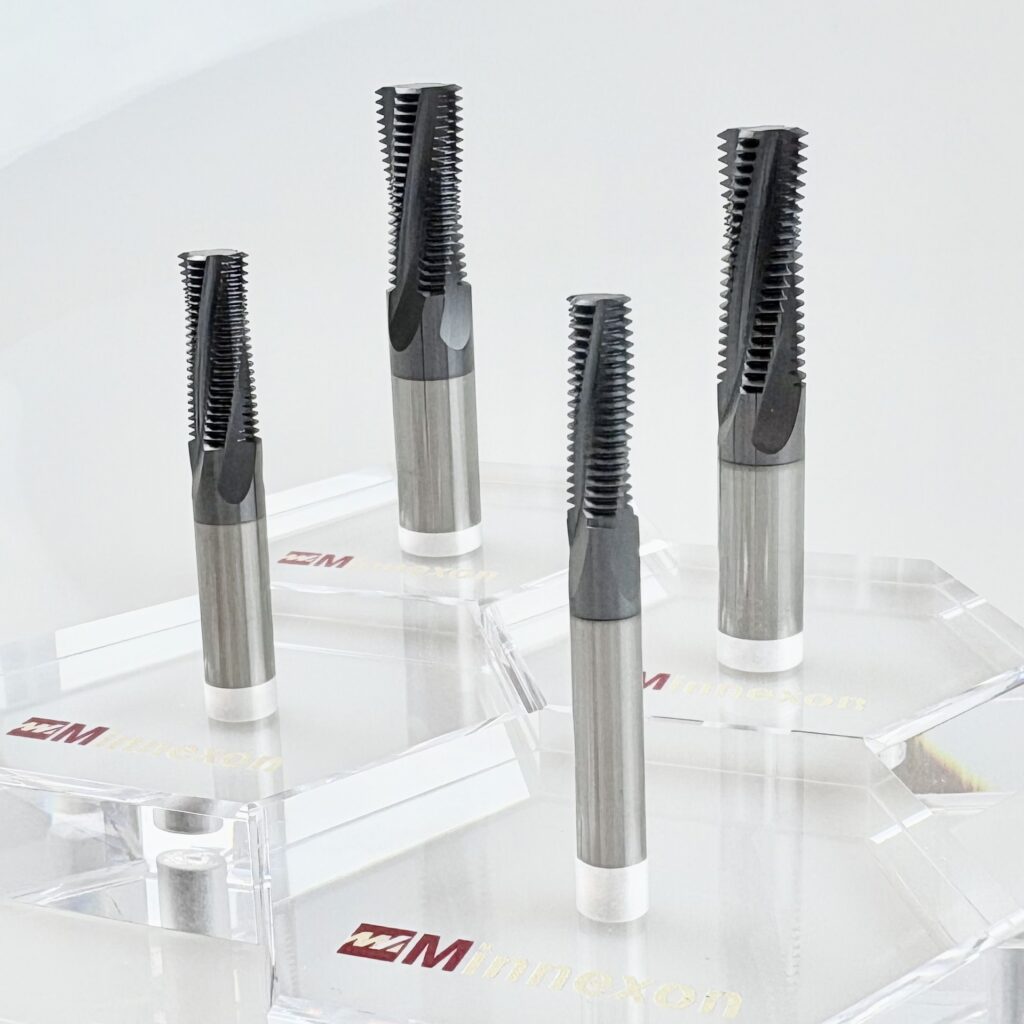
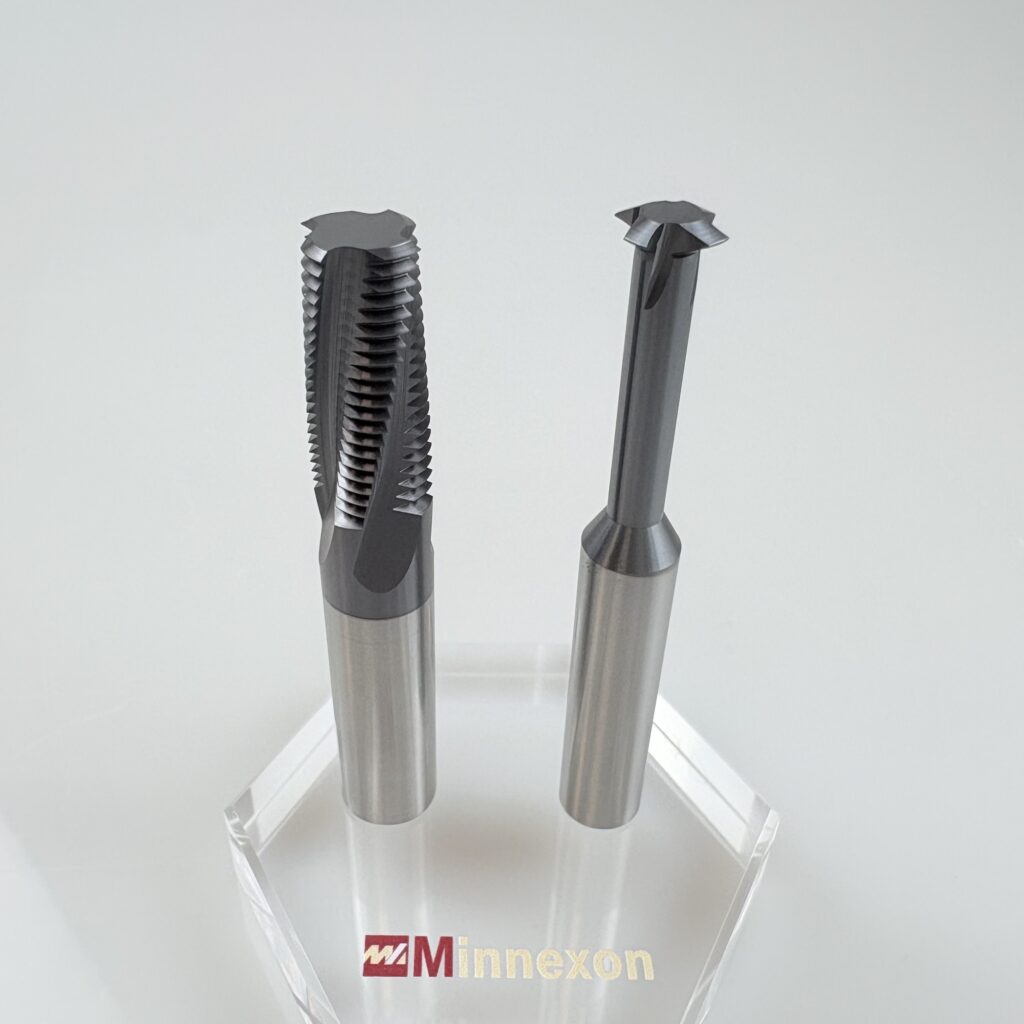
Threading stainless steel has always been a challenge in machining. Materials like 304 and 316L are tough, prone to work hardening, and difficult to clear chips. Tapping with a conventional tap often results in broken tools, burrs, and inconsistent accuracy, especially in deep holes or thin-walled parts. Thread milling cutters provide a reliable and efficient solution.

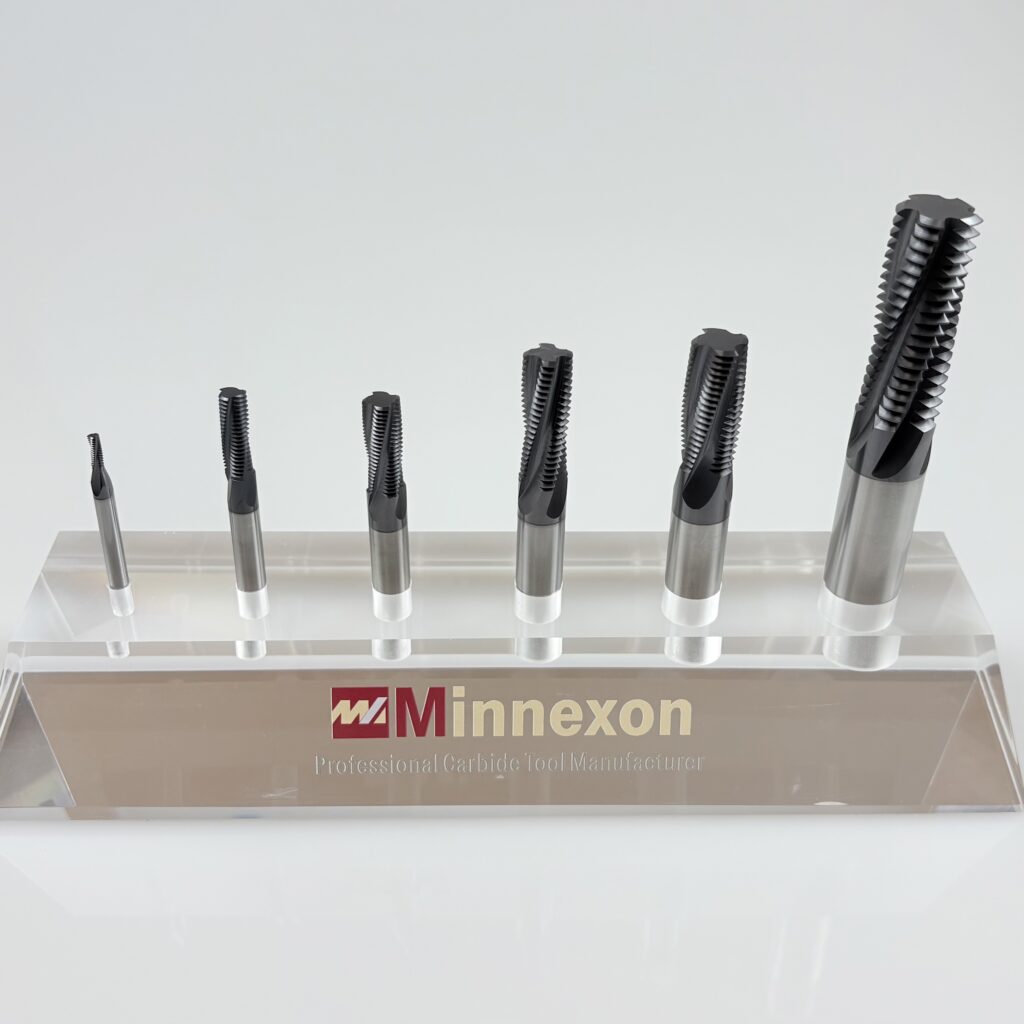
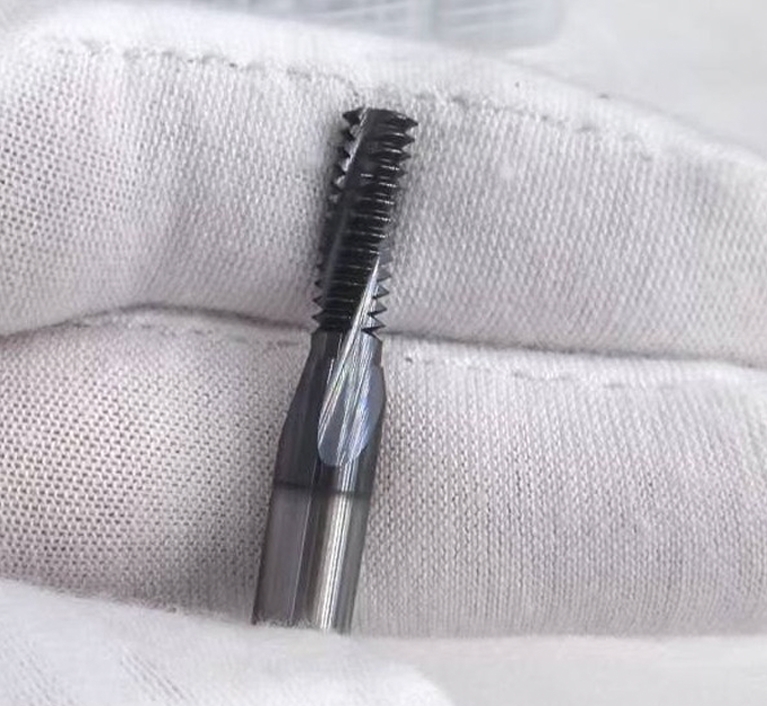
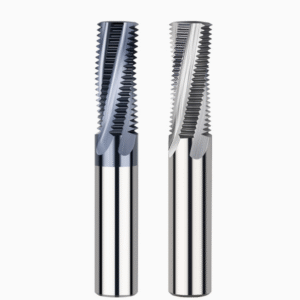
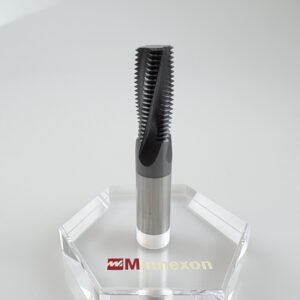
All our thread milling cutters come with TiAlN coating, suitable for most stainless steel applications.

Thread milling cutters TiAlN

Common Machining Problems

  • Frequent tap breakage: high cutting forces and torque spikes
  • Burrs in deep holes: poor chip evacuation and work hardening
  • Thin-walled part deformation: excessive cutting forces and vibration

How Thread Milling Solves These Issues

  1. Reduces cutting forces: spiral or circular interpolation engages fewer teeth at a time
  2. Improves chip evacuation: single- or few-flute cutters produce short, uniform chips
  3. Enhances precision: CNC control allows diameter adjustments within ±0.01 mm
  4. Flexible for multiple sizes: one cutter can handle different diameters and pitches
  5. Smooth surface finish: Ra ≤ 1.6 μm, suitable for medical, food, and aerospace parts
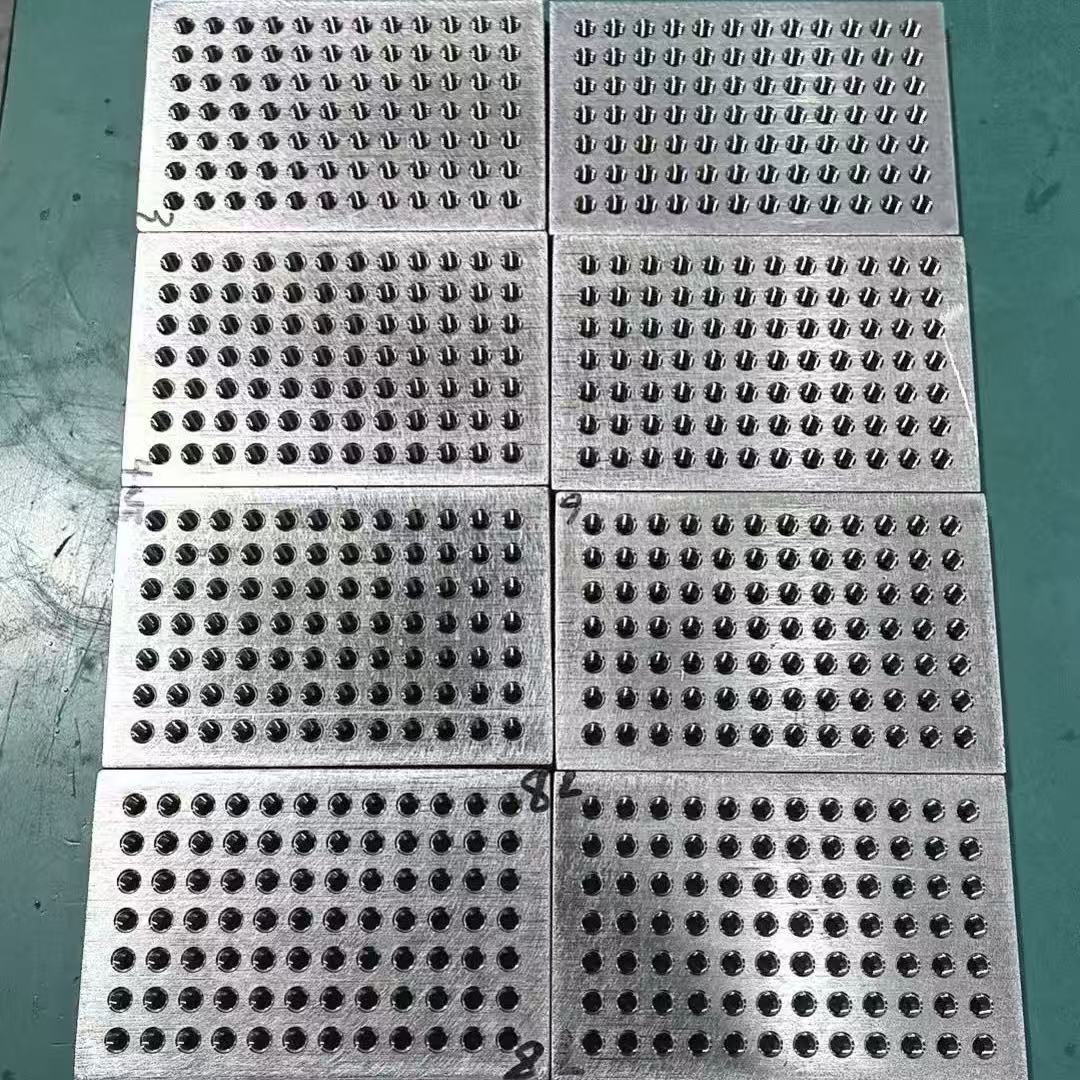
In our in-house tests, thread milling cutter on 304 stainless steel plates showed stable precision and significantly longer tool life.
thread mill cutter test

Cutter Selection

  • Coating: TiAlN for all stainless steel applications
  • Tooth type:
    • Shallow/standard holes → full-thread cutter for efficiency
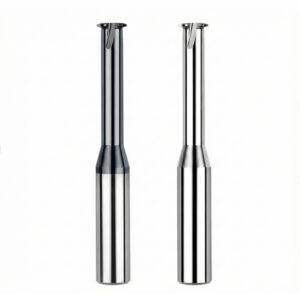
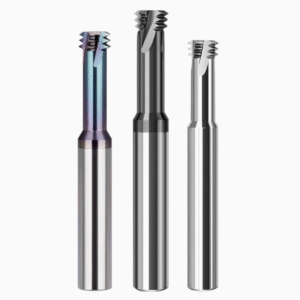
    • Deep/thin-walled holes → single-flute cutter for lower load and smooth chip evacuation

Machining Parameters and Key Considerations

Feed rate is the most common error source in thread milling, especially with full-thread cutters. Too high feed can break the cutter.

Example Parameters (M10 × 1.5, 8 mm shank Multi-form cutter)
ParameterRecommended RangeNotes
Spindle speed3000–3200 rpmStable CNC operation
Feed per tooth180–200 mm/minFull-thread cutter feed should not exceed 200
Depth per pass0.5–1 mm3–4 layers, left-right pass layering
CoolantHigh-pressure water or mistExtend tool life, reduce work hardening
Cutting methodBottom-up spiral interpolation, left-right layersReduce vibration and burrs

⚠ After confirming stable machining, feed and speed can be further optimized to improve efficiency while ensuring safe cutting forces.

Real Broken Tool Case (UNF1-12, 16 mm shank)

A customer used 3500 rpm and 250 mm/min feed to machine a UNF1-12 thread with a 16 mm shank thread milling cutter, resulting in tool breakage.
Analysis showed the feed was too high, causing a sudden spike in cutting force.
By reducing the feed to 180 mm/min, using bottom-up milling, 3–4 layers, left-right layering, the cutter successfully machined the threads with stable precision and normal tool life.

Application Cases

Case A: 316L Valve Deep Hole M10 × 1.5
  • Problem: tap breakage and heavy burrs
  • Solution: TiAlN single-flute thread milling cutter
  • Result: ±0.01 mm precision, Ra < 1.6 μm, tool life tripled
Case B: 304 Thin-Walled Plate Test
  • Description: in-house lab tests on stainless steel plates
  • Result: smooth threading, high precision, minimal burrs, tool condition excellent
  • Notes: single-flute cutter + spiral down milling + TiAlN coating + 180 mm/min feed

Frequently Asked Questions

Q1: What happens if the feed is too high for a full-thread cutter?
A: Cutting force spikes can break or chip the cutter. Keep feed ≤ 200 mm/min and use layered passes.

Q2: Should deep holes always use a single-flute cutter?
A: Single-flute is safer for chip evacuation, but multi-flute is possible with a rigid machine.

Q3: Is thread milling slower than tapping?
A: Single-thread milling may be slightly slower per piece, but for deep holes, thin walls, or high precision, milling is more efficient overall and reduces scrap.

Q4: How to reduce burrs?
A: Use climb milling, proper feed, sufficient cooling, and TiAlN-coated cutters.

Explore more of our thread end mills